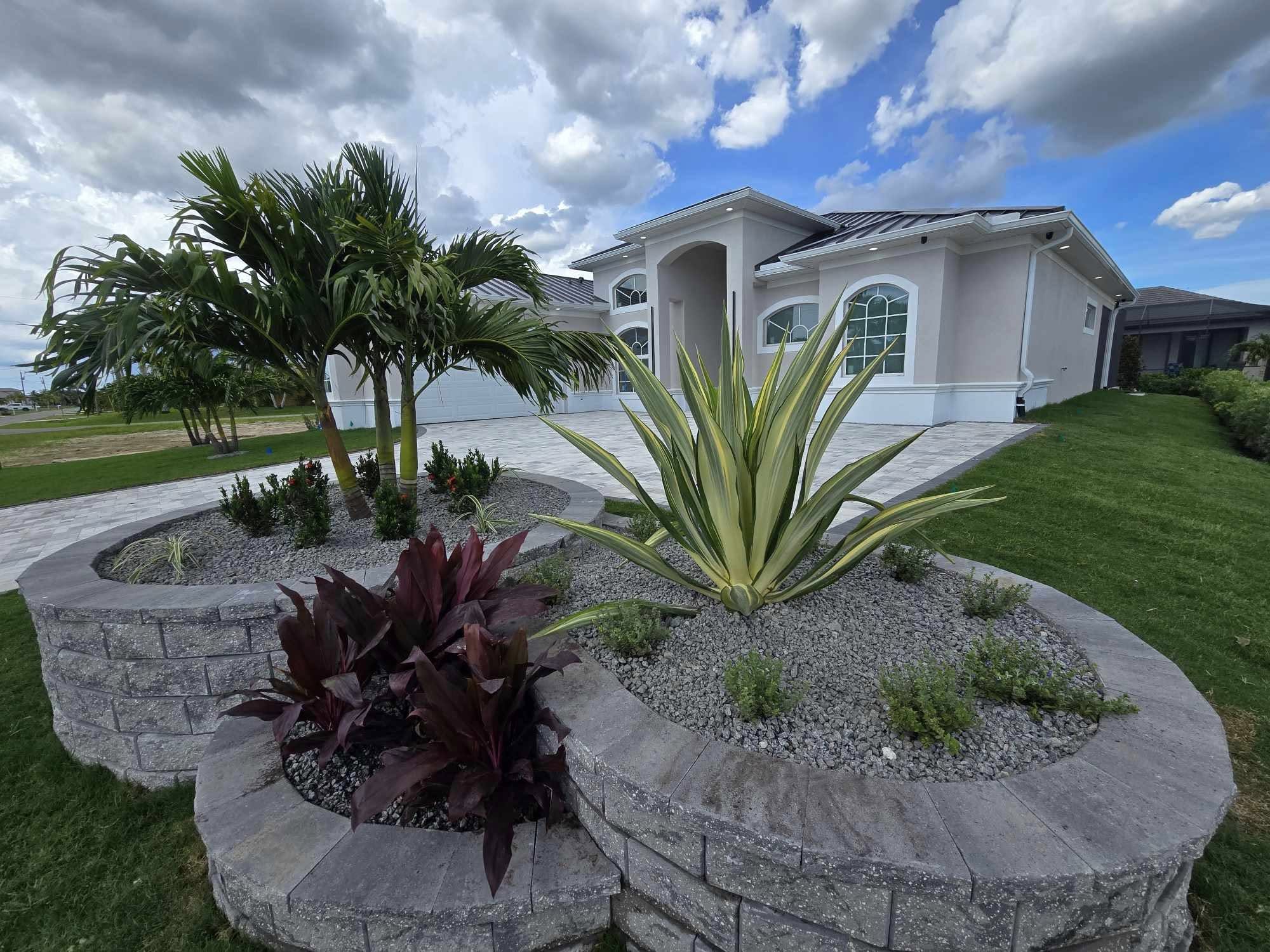
The Beauty of Balance: Combining Soft and Hardscaping for a Harmonious Landscape Mar 02, 2026
Softscaping is all about the living elements in your landscape—think plants, flowers, trees, and lawns. These components bring life and color, contributing to a vibrant, dynamic environment. Hardscaping, on the other hand, involves the non-living elements such as stone pathways, retaining walls, patios, and decks. These structural elements provide form and function to your outdoor space, ensuring versatility and durability.
The beauty of balancing softscaping with hardscaping lies in their ability to complement each other. While softscaping offers natural beauty and textural variety, hardscaping provides the framework and usability. Together, they create an outdoor living space that is both visually appealing and practical.
When designing with this harmonious approach, consider starting with your hardscape. Determine the paths, patios, and other structural elements you desire. These components serve as the skeleton of your landscape design, guiding the flow and functionality of the space. A well-placed pathway can seamlessly connect different areas of your yard, while a sturdy patio can serve as the perfect venue for outdoor entertaining.
Once the hardscape elements are in place, it’s time to add the softscape features. Choosing plants and flowers that complement the color and material of your hardscaping can create a cohesive look. For instance, the soft hues of lavender and rosemary can contrast beautifully against a stone walkway, adding both color and fragrance. Meanwhile, ornamental grasses or creeping ground covers can soften the edges of a paved patio, blending nature with structure.
Water features such as fountains and ponds can enhance the sense of balance in your landscape, offering a focal point that draws the eye and soothes the soul. Integrating these with both soft and hardscaping elements can create an oasis of tranquility right in your backyard.
To maintain this balance, it's crucial to consider the scale and proportion of your landscaping elements. A small garden may feel overwhelmed by large hardscaping features, while a large yard may benefit from substantial stonework and expansive plant beds. The key is to ensure that neither the softscaping nor the hardscaping dominates, but rather, they should coexist in harmony.
Moreover, consider the practical aspects such as irrigation, drainage, and sustainability. A well-designed landscape will take these factors into account to ensure that both softscape and hardscape elements thrive with minimal maintenance.
In conclusion, the blend of softscaping and hardscaping is more than just a trend; it is an art. By combining the natural elegance of plants with the strength and function of stone, First Class Landscaping can help you create a yard that is both beautiful and enduring. Whether you're looking to enhance your home's curb appeal or create a peaceful retreat, the balance of soft and hardscaping is the key to a harmonious and inviting outdoor space.
With careful planning and expert execution, your landscape will not only serve your practical needs but also provide an area of beauty and tranquility for years to come. Trust in the artistry and expertise of First Class Landscaping to bring your vision to life.
/filters:no_upscale()/filters:format(webp)/media/ee8ea10c-ce0b-403c-8e49-35e95d7425ce.jpeg)