Sustainable Garden Design: Reducing Water Usage with Smart Landscaping Feb 21, 2026
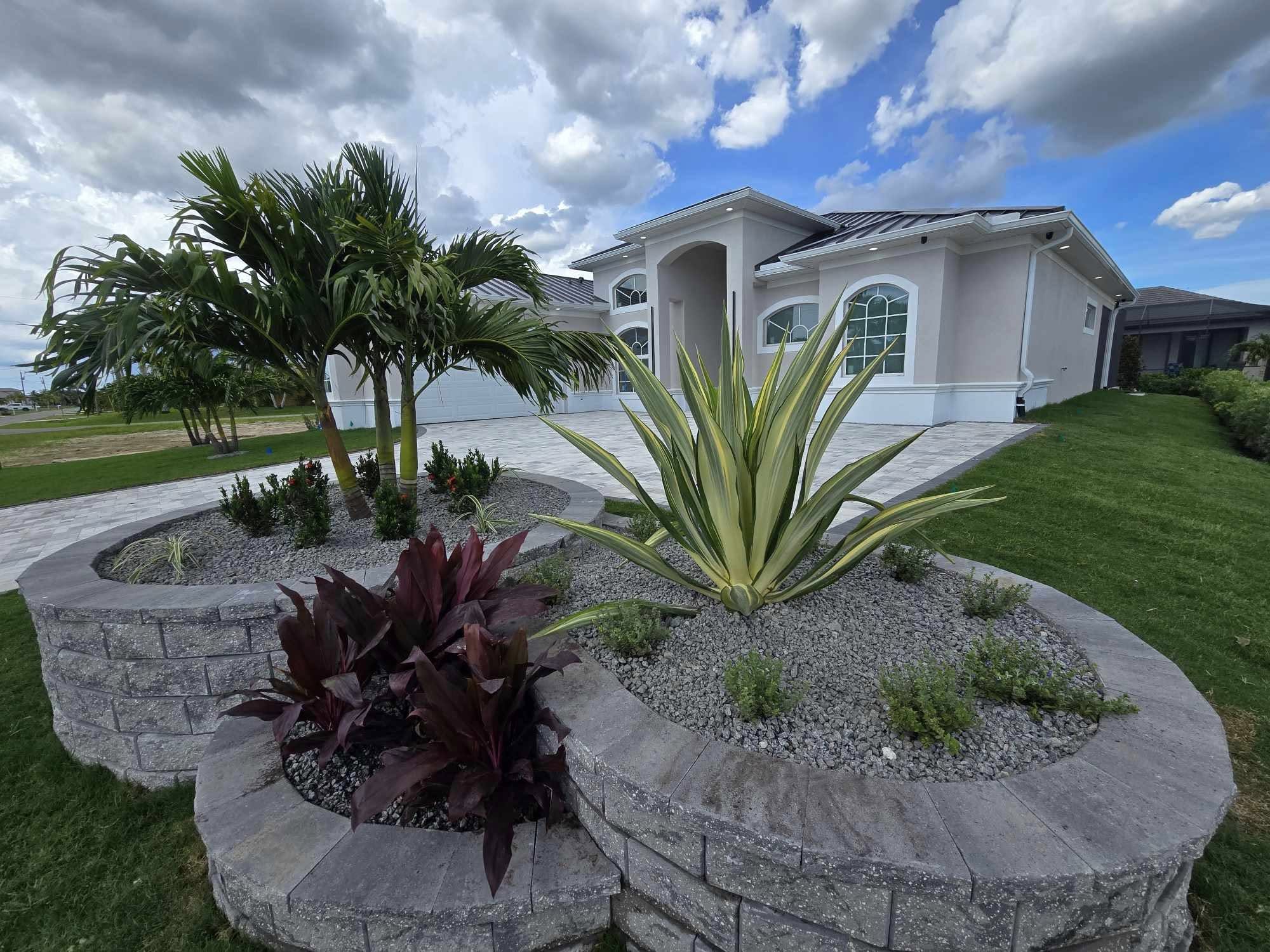
To begin creating a sustainable garden, it's key to select plants that are well-suited to the local climate. Native plants are naturally adapted to the region's rainfall and temperature patterns, reducing the need for additional watering. For instance, drought-tolerant plants such as succulents and ornamental grasses are excellent choices for dry regions. These low-water plants not only conserve water but also thrive with minimal maintenance.
Another fundamental strategy in reducing water usage is optimizing irrigation systems. Drip irrigation is an efficient solution that conserves water by delivering it directly to the plant roots. Unlike traditional sprinkler systems, drip irrigation minimizes runoff and evaporation, ensuring that water is used efficiently. Installing smart controllers can further enhance irrigation efficiency by adjusting watering schedules based on weather conditions, soil moisture, and plant needs.
Mulching is another vital practice in sustainable garden design. By applying a layer of organic mulch around plants, you can retain soil moisture, suppress weed growth, and regulate soil temperature. Mulch acts as a protective barrier, reducing the amount of water required by preventing evaporation and maintaining consistent moisture levels in the soil. A variety of mulch materials, such as wood chips or shredded leaves, can be used based on your garden's aesthetic and functional needs.
Moreover, consider implementing a rainwater harvesting system to further reduce dependency on municipal water supplies. Collecting rainwater in barrels not only conserves water but also provides plants with chemical-free hydration. This simple yet effective technique can significantly decrease water bills while promoting sustainable garden practices.
For homeowners keen on maximizing sustainable landscaping, creating permeable hardscapes is another essential tactic. Traditional concrete pathways and patios direct rainwater into storm drains, often causing runoff and erosion. On the other hand, permeable materials like gravel, permeable pavers, or decomposed granite allow rainwater to be absorbed into the soil, reducing the need for supplemental watering and preventing water wastage.
The benefits of smart landscaping go beyond just water conservation. A well-designed sustainable garden can increase property value, enhance curb appeal, and offer a peaceful retreat for homeowners and wildlife alike. By incorporating elements such as native plants, efficient irrigation, and permeable surfaces, you create a landscape that harmonizes with nature while showcasing your commitment to environmental stewardship.
In conclusion, sustainable garden design is a proactive approach that homeowners can adopt to significantly reduce water usage. By selecting climate-appropriate plants, optimizing irrigation, using mulch effectively, and considering rainwater harvesting, you can create a lush, vibrant landscape that promotes conservation. At First Class Landscaping, we are dedicated to helping you transform your outdoor space into a sustainable oasis. Reach out to our expert team today to start your journey towards smart landscaping and make a positive impact on the environment.
/filters:no_upscale()/filters:format(webp)/media/ee8ea10c-ce0b-403c-8e49-35e95d7425ce.jpeg)