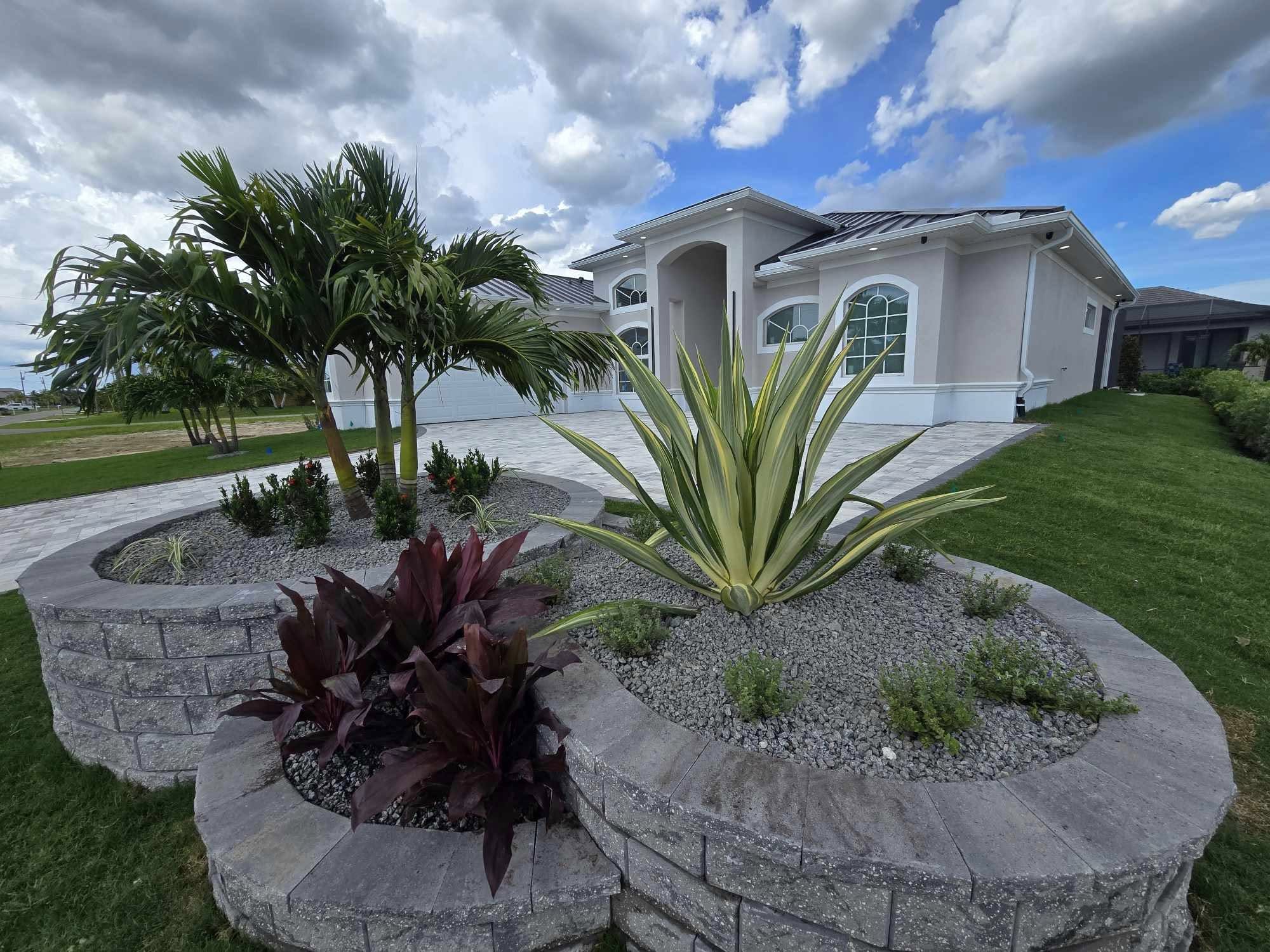
Nature's Layers: How to Implement Multi-Tier Planting Designs for Depth and Interest Mar 28, 2026
Multi-tier planting designs essentially involve arranging plants in layers, creating a rich tapestry of textures and colors at different heights. This approach not only maximizes space but also enhances the natural aesthetics of your landscape, making it more inviting and dynamic.
To begin your journey towards a successful multi-tier planting design, start by assessing your garden's existing conditions. This includes understanding the soil quality, sun and shade patterns, and the space available. The goal is to create zones that cater to different plant height requirements, ensuring that each plant receives adequate light and space to thrive.
When planning your garden layout, it’s important to prioritize the tallest plants that will serve as the backdrop. Trees and large shrubs typically fill this role, providing structure to the landscape. Consider evergreens or deciduous trees with interesting bark or foliage that add year-round interest. Placing these plants at the back or strategically along the boundaries can create a natural enclosure, adding privacy and depth.
The mid-layer is the next focus, consisting of medium-height plants and ornamental shrubs. These are often the stars of the garden during peak blooms, offering a burst of color and texture contrast against the taller backdrop. Think of flowering shrubs or grasses that sway gently in the wind, adding movement and life to your design. Ensure that the colors and textures complement each other, as this harmony can transform an ordinary garden into a breathtaking sanctuary.
Finally, the ground layer ties everything together, offering a finishing touch with low-growing perennials, groundcovers, or seasonal flowers. These plants fill the gaps between taller companions, providing a lush carpet of color and texture. This layer is incredibly versatile; using a mix of various perennials can ensure that your garden has visual appeal all year long.
While implementing multi-tier planting, it's crucial to maintain balance and proportion. Try to avoid overcrowding, which can lead to competition for resources and eventual decline in plant health. Instead, give each plant ample room to grow and showcase its unique attributes. Proper planning in spacing will also reduce maintenance time, allowing your garden to flourish with minimal intervention.
Watering and feeding considerations are essential to support the thriving ecosystem you’ve planted. Group plants with similar water and nutrient needs together. This technique, often known as hydrozoning, ensures that each layer receives the proper care without over or under-watering.
The diverse plant heights can also attract a variety of wildlife, from birds to pollinators, making your garden a vibrant ecosystem teeming with life. The gentle hum of bees and the flutter of butterfly wings will not only enhance your garden’s beauty but also support local biodiversity.
In conclusion, implementing multi-tier planting designs can transform your garden into a dynamic and visually stunning living space. By carefully selecting and arranging plants, you create not only depth but also an inviting environment that evolves beautifully with each season. At First Class Landscaping, we understand the artistry involved in landscape creation and are here to help you bring your unique vision to life. Embrace the layers of nature, and watch as your garden becomes a testament to timeless beauty and ecological harmony.
/filters:no_upscale()/filters:format(webp)/media/ee8ea10c-ce0b-403c-8e49-35e95d7425ce.jpeg)