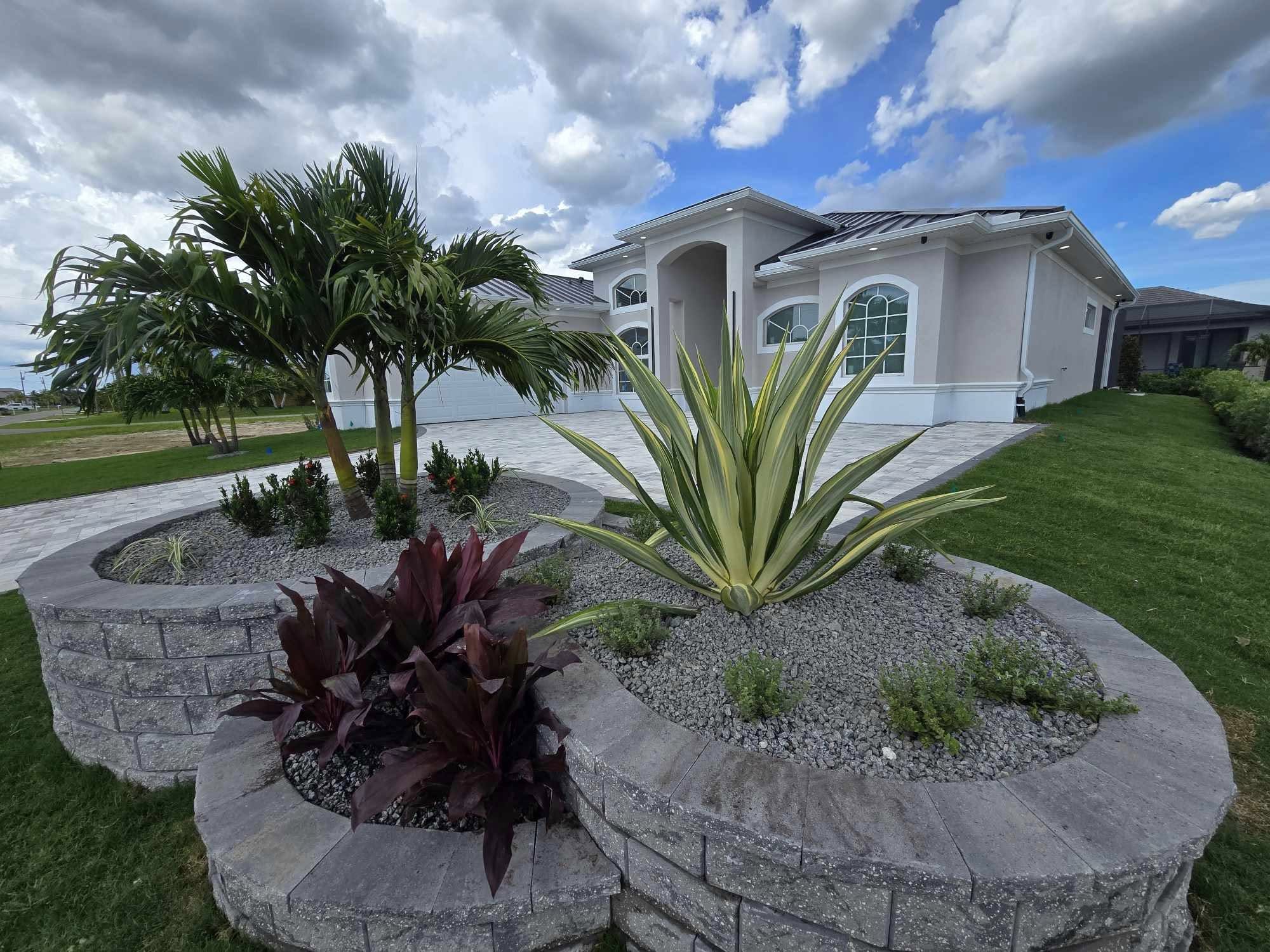
Creating Biodiverse Landscapes: How to Attract Pollinators and Wildlife to Your Garden Jan 16, 2026
The first step in creating a biodiverse garden is to understand the importance of native plants. Native plants are those that naturally belong to your region, thriving in local soil and climate conditions. By incorporating native species into your landscape design, you provide food and habitat for local wildlife like birds, bees, and butterflies. These plants are well-suited for local pollinators, offering them the nectar and pollen they need to survive. Consider adding species like milkweed for Monarch butterflies or coneflowers for bees, both of which are excellent choices for encouraging pollinator activity.
Diversity is key when designing your garden. A variety of plant types and layers will create a more interesting and supportive habitat. Combine trees, shrubs, and low-growing plants to offer different types of shelter and food sources. Planting in clusters rather than single rows can create microhabitats, providing insects and small animals with refuge from predators and harsh weather conditions. By mimicking natural ecosystems, your garden becomes a haven for a broad range of wildlife.
Water features are another valuable addition to any biodiverse landscape. By installing a pond or birdbath, you supply vital hydration spots for birds, amphibians, and beneficial insects. Not only does this attract an array of creatures, but it also supports the life cycle of many species. Ensure that water sources are safe and accessible, offering gradual slopes for easy access and exit for creatures both big and small.
Using sustainable gardening practices is crucial in maintaining a healthy ecosystem. Avoid chemical pesticides and fertilizers that can harm pollinators and wildlife. Instead, opt for organic solutions and companion planting to naturally deter pests. Composting is a fantastic way to enrich the soil with nutrients without the need for synthetic inputs, thus supporting the natural environment.
Creating habitats doesn’t stop at plant selection. Consider adding birdhouses, bee hotels, and log piles in your garden. These structures offer safe nesting and resting sites for a range of creatures. For example, solitary bees, essential pollinators, will thrive in a well-constructed bee hotel, while birds will find security and nesting space in a strategically placed birdhouse. These elements not only enhance biodiversity but also add aesthetic and functional appeal to your garden.
In conclusion, transforming your garden into a biodiverse landscape requires thoughtful planning and care. By incorporating native plants, creating diverse plant structures, adding water features, utilizing organic practices, and building habitats, you create an inviting environment for pollinators and wildlife. This approach not only benefits the ecosystem but also brings your garden to life, contributing to the overall health of our planet. With First Class Landscaping, you can achieve a thriving, biodiverse garden that supports wildlife and delights the senses year-round.
/filters:no_upscale()/filters:format(webp)/media/ee8ea10c-ce0b-403c-8e49-35e95d7425ce.jpeg)