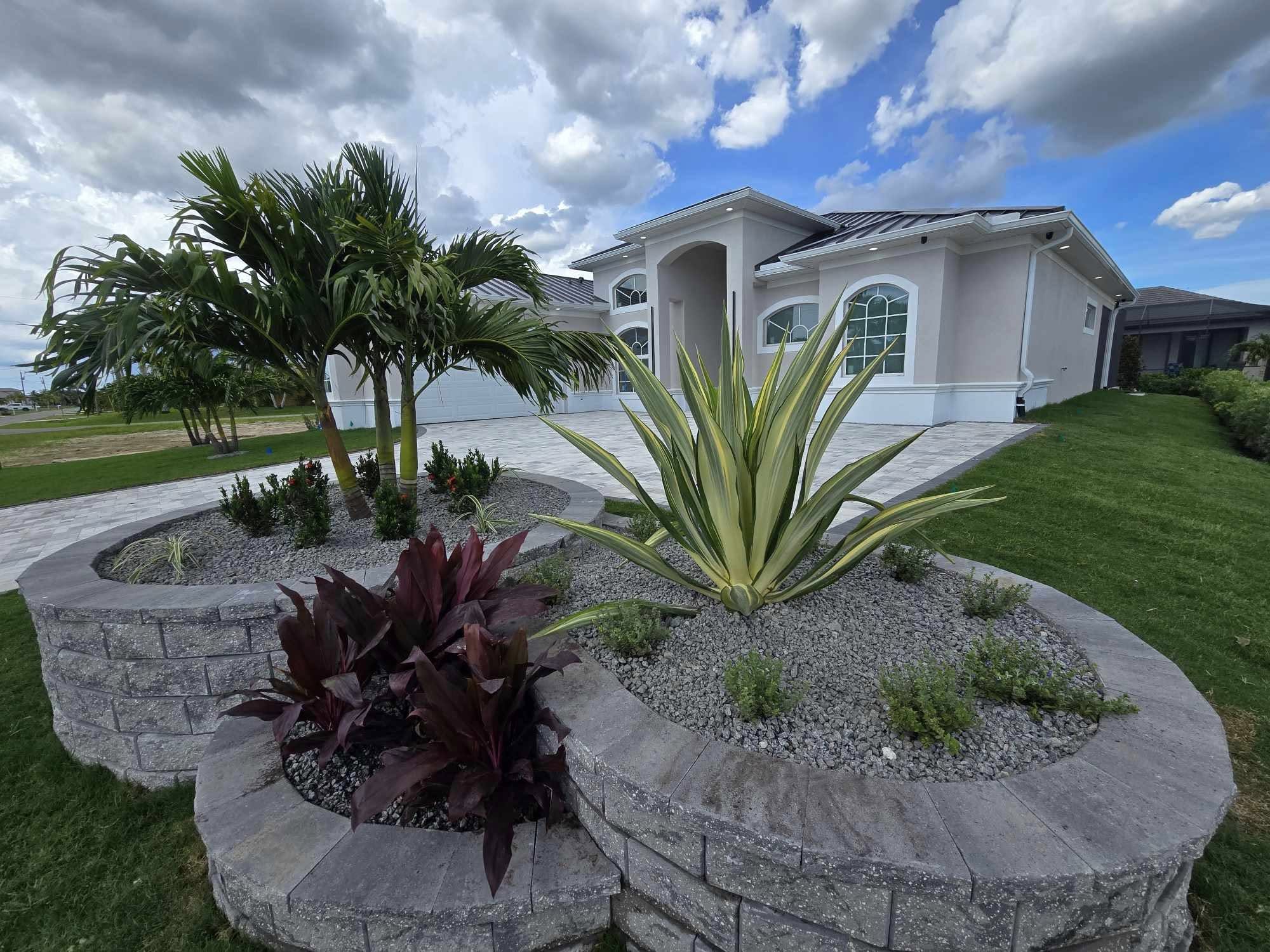
Climate-Resilient Landscaping: Adapting Your Yard for Weather Extremes Jan 29, 2026
Understanding climate-resilient landscaping begins with recognizing the local climate's unique demands. This informed approach involves choosing plants and designs that can thrive in various weather conditions. Native plants, for example, are often more adept at handling local climate fluctuations. These plants have evolved to survive the specific challenges presented by the local environment, making them more robust and lower maintenance. By incorporating native species, you enhance the resilience of your landscape while also supporting local ecology.
Water management is another crucial aspect of climate-resilient landscaping. With persistent issues of droughts and floods, efficient water use and drainage systems are essential. Consider installing rain gardens which utilize native plants to manage stormwater runoff effectively. These gardens not only mitigate flooding but also enhance groundwater recharge. Additionally, drip irrigation systems can be integrated to ensure effective water delivery to your plants without wastage, a vital feature during dry periods.
Soil health is integral to a resilient landscape. Healthy soil, rich in organic matter, can retain moisture better and provide a robust foundation for plant growth. Regularly testing your soil and amending it with compost or organic fertilizers can significantly enhance its condition. The use of mulch is another strategy, as it helps in maintaining soil moisture, suppressing weeds, and regulating soil temperature.
The planning of landscape design should incorporate both beauty and functionality. Consider incorporating windbreaks such as dense shrubs or walls to protect delicate plants from harsh winds. Strategic plant placement, recognizing the path of the sun, ensures that plants receive adequate sunlight and are protected from extreme heat. Incorporating various layers of vegetation can also provide habitat diversity, fostering a small ecosystem that better withstands environmental pressures.
Sustainability should be a key goal when adapting your yard for weather extremes. This includes selecting durable materials for hardscapes, such as permeable pavers, which allow water to pass through rather than flood surrounding areas. Integrating green roofs or walls can also help absorb rainwater and provide additional insulation, reducing energy costs.
Finally, consistent monitoring and maintenance cannot be overemphasized. Regular inspections allow for early detection of stress in plants, enabling timely interventions. Consider engaging professional landscaping services such as First Class Landscaping for expert guidance and assistance in maintaining your climate-resilient yard.
In conclusion, adapting your yard for weather extremes is an attainable goal with the right strategies. By utilizing native plants, efficient water systems, healthy soil practices, and environmentally friendly designs, your landscape can flourish in the face of climatic challenges. Not only does this enhance the visual appeal of your yard, but it also contributes to environmental sustainability. At First Class Landscaping, we are committed to assisting you in creating a durable and beautiful landscape ready to face whatever weather comes its way.
/filters:no_upscale()/filters:format(webp)/media/ee8ea10c-ce0b-403c-8e49-35e95d7425ce.jpeg)