Beyond the Basics: Advanced Landscaping Techniques for a Stunning Garden Dec 11, 2025
The first step in advanced landscaping involves a deep understanding of your garden's unique characteristics. This includes assessing the soil quality, sunlight exposure, and microclimate conditions. Soil amendment, such as adding organic matter or adjusting pH levels, is crucial for encouraging healthy plant growth. Additionally, understanding which areas of your garden receive full sun versus partial shade can guide you in selecting the right plants that will thrive year-round.
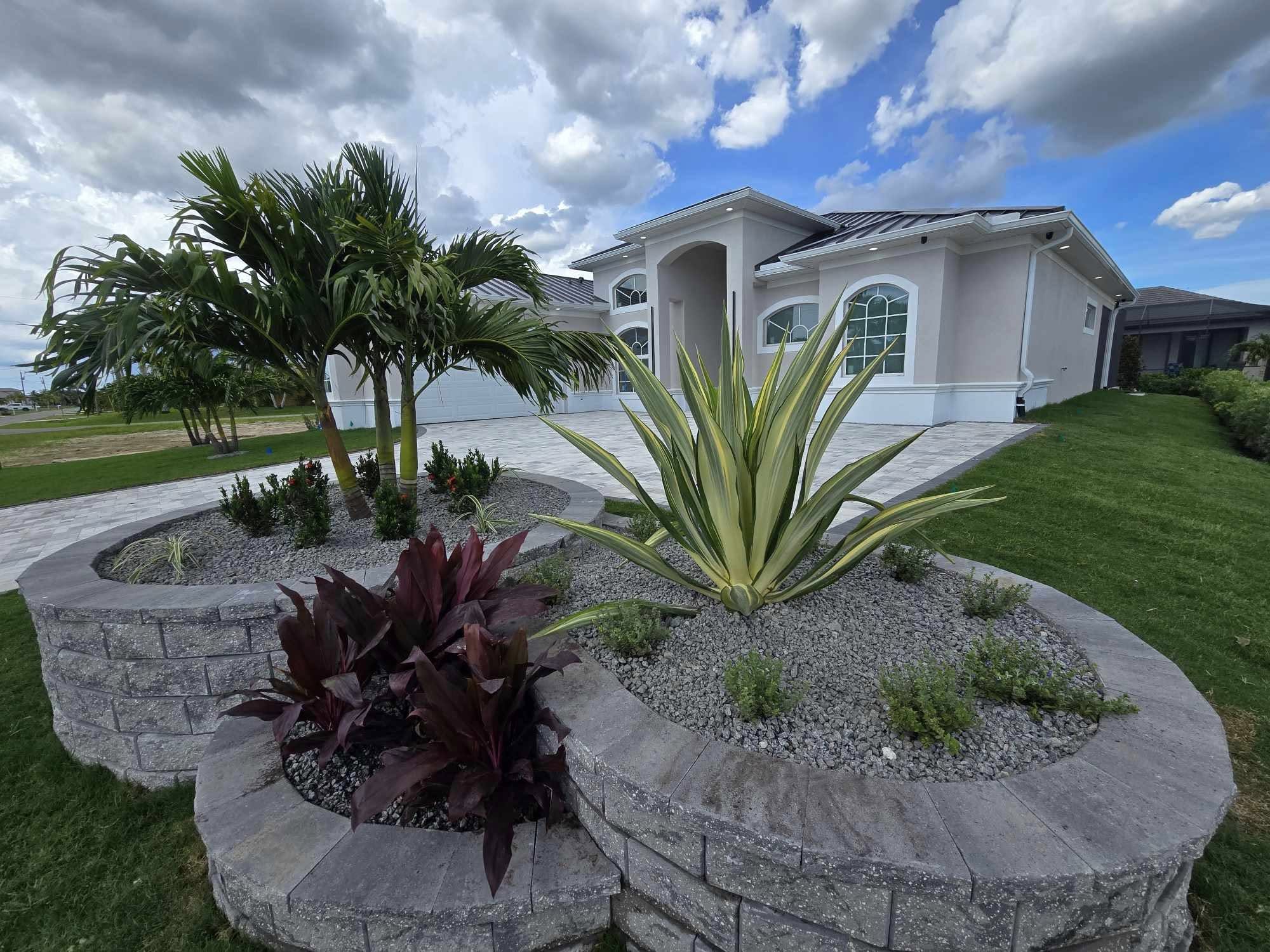
One of the most impactful advanced landscaping techniques is the use of hardscaping to define spaces and create functional outdoor living areas. Hardscaping involves the incorporation of non-plant elements like patios, walkways, and retaining walls. These features add structure and organization, making your garden not only more aesthetically pleasing but also more functional. Opting for materials like natural stone or pavers can enhance the visual appeal and offer a timeless look that complements the natural environment.
Another key aspect of advanced landscaping is integrating a diverse variety of plant species. By incorporating a mix of perennials, annuals, evergreens, and deciduous plants, you can ensure that your garden remains vibrant throughout the seasons. Consider focal point plants that draw attention and serve as landmarks, like an ornamental tree or a striking flowering shrub. Layering plants by height and form can create depth and an immersive sense of space.
Water features are another sophisticated addition that can elevate any garden. Whether it's a serene koi pond, an elegant waterfall, or a modern fountain, the sound of water adds a soothing element and encourages a relaxing atmosphere. Additionally, water features can attract local wildlife such as birds and butterflies, enhancing the biodiversity of your garden.
Incorporating sustainable practices is also essential for advanced landscaping. This includes the use of drought-resistant plants and efficient irrigation systems that conserve water, while rain gardens can manage runoff and reduce erosion. By focusing on sustainability, not only do you protect the environment, but you also create a resilient landscape that can withstand varying weather conditions.
Lastly, effective lighting techniques can transform your garden from a daytime haven to a nighttime retreat. Strategically placed lights along pathways, accent lights to highlight certain features, and uplighting to create dramatic effects on trees or architectural elements can all contribute to an enchanting evening ambiance. Leveraging energy-efficient LED lights and solar-powered options can enhance sustainability and reduce energy costs.
In summary, advanced landscaping is about creating a harmonious balance between natural and man-made elements, enhancing functionality while promoting ecological health. At First Class Landscaping, we encourage you to think beyond the basics and embrace techniques that reflect your personal style and vision. By focusing on these advanced strategies, you can cultivate a stunning garden that will not only impress visitors but also provide a tranquil retreat for years to come. Whether you are starting from scratch or looking to refine your current landscape, these techniques can significantly elevate the beauty and utility of your outdoor space.
/filters:no_upscale()/filters:format(webp)/media/ee8ea10c-ce0b-403c-8e49-35e95d7425ce.jpeg)