Beyond Grass: Innovative Alternatives for a Lush Lawn Mar 24, 2026
Before diving into the alternatives, it’s important to understand why you might consider moving beyond traditional grass. For one, grass can be high maintenance, requiring frequent mowing, watering, and fertilization. Additionally, the environmental impact of maintaining a grass lawn—such as water usage and the application of chemicals—can be significant. By looking beyond grass, you can create a sustainable landscape that reduces your ecological footprint and offers unique beauty.
One popular alternative is the use of groundcovers. Groundcovers such as clover, creeping thyme, and sedum provide a lush, green appearance without the demanding upkeep of traditional grass. They are hardy, often drought-resistant, and can add an array of colors to your landscape. These plants are particularly suited for areas where foot traffic is minimal. Clover, for example, not only stays green throughout the season but also enhances soil health by fixing nitrogen.
Ornamental grasses offer another exciting option. With varied textures and colors, these grasses can add dynamic movement to your landscape. Varieties such as fountain grass or blue fescue are visually striking and require minimal maintenance. Their resilience makes them perfect for introducing a layered, lush appearance without extensive care. Ornamental grasses can be used in conjunction with pathways or as borders, enhancing the depth of your outdoor spaces.
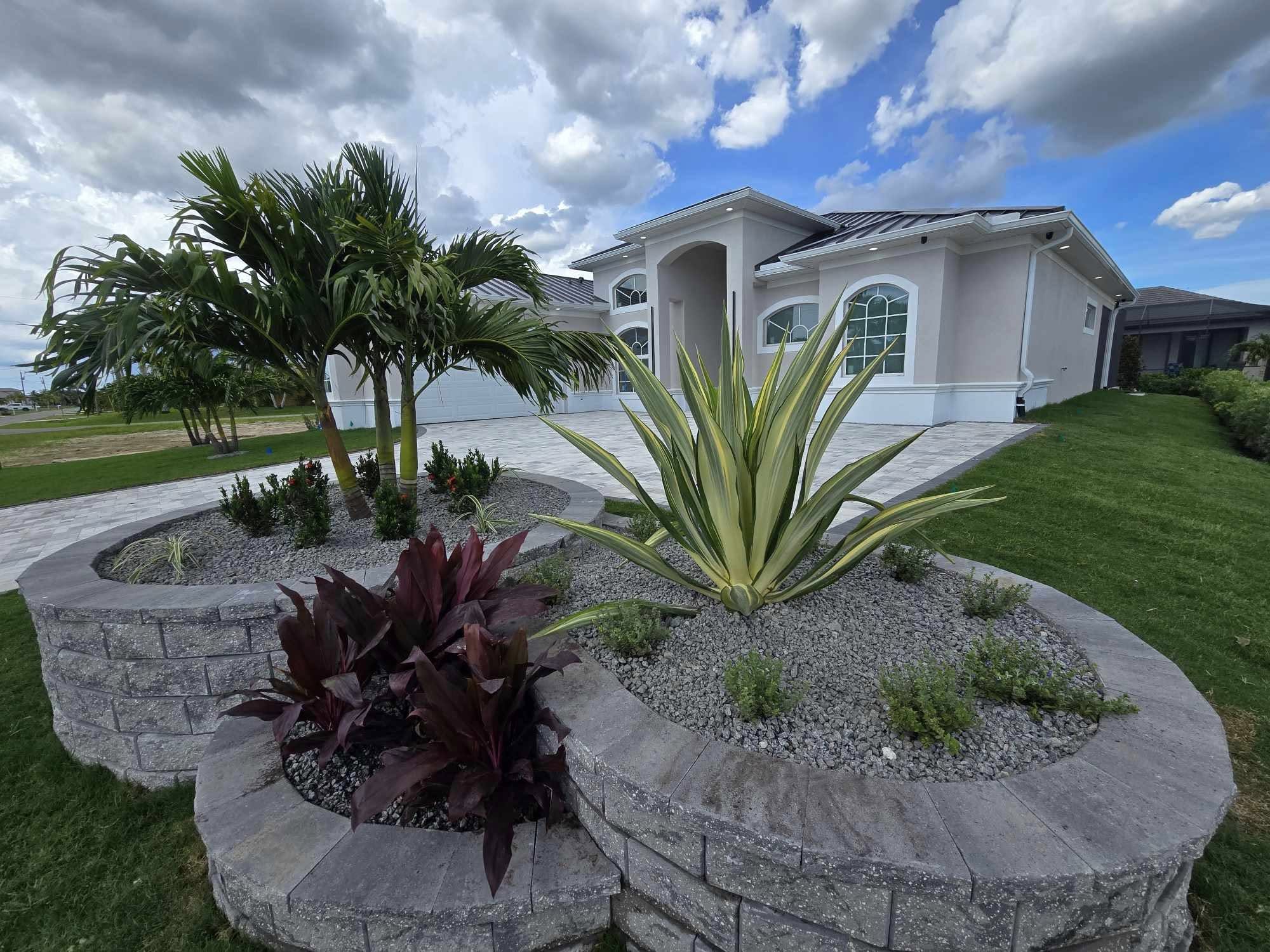
Embracing hardscaping elements is another innovative approach. Pavers, gravel, and stones can establish a modern, sophisticated look while cutting down on water consumption. By integrating hardscaping with native plants and succulents, you can create striking visual contrasts that maintain year-round beauty. Hardscaping not only reduces the need for lawn care but also improves the functionality of your outdoor area, offering clear paths and gathering spots.
For those keen on functional elements, consider edible landscaping. Mixing vegetables and herbs within your garden transforms it into a productive plot that supplies fresh produce throughout the growing season. Combining aesthetics with functionality, an edible garden offers the dual benefit of beauty and bounty. Imagine walking through your garden to pick fresh herbs for your dinner—an enriching experience that also minimizes waste.
Finally, creating a pollinator-friendly landscape can enrich biodiversity and contribute to local ecosystems. Planting native wildflowers and hosting bee-attractive plants such as lavender or echinacea invites bees, butterflies, and birds. These plants often require less maintenance, can thrive in varied soil conditions, and bring vibrant colors and life to your garden.
In conclusion, stepping beyond grass to explore innovative lawn alternatives can dramatically enhance both the look and sustainability of your outdoor space. First Class Landscaping can help you transition to these eco-friendly solutions, creating a personalized and thriving landscape that aligns with your aesthetic desires and environmental values. By choosing alternatives like groundcovers, ornamental grasses, hardscaping, edible plants, and pollinator gardens, you can cultivate a unique, lush lawn that stands out while making a positive impact on the planet.
/filters:no_upscale()/filters:format(webp)/media/ee8ea10c-ce0b-403c-8e49-35e95d7425ce.jpeg)